
One in five households across regional NSW relies on some form of septic system. Around 70 per cent of these systems are failing to meet basic public health and environmental standards.
A poorly maintained septic system can contaminate waterways and groundwater up to 50 kilometres downstream. That’s a serious responsibility when you consider nearly 290,000 Australian families depend on these systems for their daily wastewater management.
Selecting the right septic system for your property isn’t just about compliance. It’s about protecting your investment and the environment.
From conventional septic systems with absorption trenches to modern aerobic treatment options, each system type serves specific property conditions. Challenging sites with high water tables or shallow soil often require specialised solutions like mound systems.
So, how do you choose the best septic system for your specific property needs?
This guide breaks down the septic system options available across Australia, explains how each functions, and gives you practical advice for making the right decision. Whether you’re building new or replacing an aging system, the information here will help you select a solution that works for your property while meeting Australian environmental standards.
How Septic Systems Work in Australian Homes
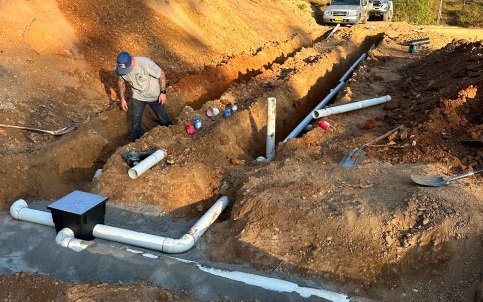
Your septic system functions as a self-contained wastewater treatment facility. Essential for rural and semi-rural Australian properties without access to centralised sewerage. These systems safely treat household waste through natural processes that have been refined over decades.
Septic tank, drain field, and effluent flow explained
What happens to your wastewater once it leaves your home? The process starts when all water from sinks, showers, toilets, and washing machines flows into an underground septic tank. Here, a natural separation process creates three distinct layers:
- Scum layer – fats and oils float to the surface, forming a protective crust
- Effluent – the clear middle layer contains partially treated liquid
- Sludge – solid waste settles at the bottom of the tank
The scum layer prevents odours from escaping while blocking air from entering the tank. Meanwhile, bacteria work to digest waste materials and break them down into more manageable substances.
Once new wastewater enters, the partially treated effluent moves through an outlet pipe to the drain field (also called a leach field or absorption field). This area contains perforated pipes buried in porous soil or constructed drainage receptacles. The effluent then disperses into the surrounding soil for final natural treatment.
Role of soil in natural filtration
Soil performs the heavy lifting in your septic system’s treatment process. It works on three levels to clean wastewater before it reaches groundwater sources.
Physical filtration happens first – soil particles trap harmful pathogens and bacteria as effluent moves through different soil layers. The extensive surface area created by soil particles makes this filtering process highly effective.
Chemical treatment occurs through adsorption. Nutrients like phosphates stick to soil particles when effluent comes into contact with soil material, preventing contamination of groundwater supplies.
Biological treatment takes place in the final stage. Microorganisms living in soil continue breaking down organic matter and removing pathogens from wastewater. This biological process is crucial for treating water before it rejoins the natural water cycle.
The key to effective treatment lies in soil characteristics. Balanced drainage ( neither too quick nor too slow) allows adequate contact time for treatment while preventing backup problems. Loamy soil with a good mix of sand, silt, and clay typically provides ideal conditions for septic system operation.
Difference between blackwater and greywater
Understanding these two waste streams helps explain how septic systems handle different contamination levels:
Blackwater – contains human waste from toilets, plus kitchen sink water, in many classifications due to food particles and grease. This highly contaminated water carries disease-causing bacteria and viruses, requiring thorough treatment before safe disposal.
Greywater – comes from showers, bathroom sinks, washing machines, and bathtubs. While containing lower contamination levels (primarily soap residues, hair, and mild organic matter), studies show greywater still contains significant pollutants harmful to health and the environment.
Both waste streams need appropriate handling within septic systems. Blackwater requires extensive biological or chemical treatment plus disinfection. Greywater can sometimes be treated separately and reused for non-potable purposes with minimal processing, potentially saving up to 50 litres of potable water daily in an average Australian household.
The biological balance in your septic system ensures these natural processes continue effectively, protecting both your property and the surrounding environment.
Key Factors to Consider Before Choosing a Septic System
Smart septic system selection starts with understanding your property’s unique characteristics. Each site presents different challenges, and matching the right system to your conditions determines whether you’ll enjoy decades of trouble-free operation or face costly repairs and environmental issues.
Soil type and groundwater depth
Soil composition makes or breaks septic system performance. Sandy or loamy soils offer excellent drainage combined with proper filtration, while clay soils hold water and demand specialised system designs. Poor drainage conditions typically require advanced solutions like Aerated Wastewater Treatment Systems (AWTS) or sand filters.
Soil permeability testing isn’t optional (it’s essential). This assessment reveals how water moves through your soil layers, determining whether conventional systems will work or if you need alternative solutions. The sweet spot is soil that balances filtration with drainage, dense enough to treat effluent properly, yet porous enough to prevent backups.
Groundwater depth presents another crucial consideration. Australian environmental regulations mandate at least 1.5 metres of clearance between leach drain bases and groundwater levels. This separation allows proper treatment before effluent reaches underground water sources. Shallow groundwater sites benefit from mound systems or AWTS, which create the necessary separation distance artificially.
Household size and water usage
Your septic tank capacity must match your household’s needs precisely. Australian standards require domestic septic tanks to hold a minimum of 2,400 litres, while 4-6 bedroom homes need at least 4,500 litres. Standard residential systems handle up to 5,000 litres daily.
Think beyond your current situation. Family growth or guest accommodation plans might justify investing in higher capacity upfront rather than expensive upgrades later.
Water consumption patterns affect system performance significantly. Multiple loads of laundry, long showers, or simultaneous high-water activities stress septic systems. Simple conservation measures (like water-efficient fixtures and staggered usage) extend system life considerably.
Need expert guidance on system selection for your specific property conditions? Contact Mid Valley Septics for professional advice tailored to Australian conditions.
Maintenance effort and long-term costs
Different systems demand varying maintenance commitments. Conventional septic systems need inspection every three years plus pumping every 3-5 years based on household size. Two-person households typically require desludging every eight years, while four-person families need this service every four years.
The initial purchase price represents just the beginning of ownership costs. Regular maintenance (inspections, pumping, and repairs) adds substantially to lifetime expenses. Standard septic pumping runs between $450 and $1000 per service. Skip maintenance and face system failure, expensive repairs, plus potential environmental damage.
Here’s the payoff: proper maintenance extends system lifespan from typical 15-25 years to potentially 30-50 years. Regular servicing becomes an investment, not an expense.
Environmental impact and sustainability goals
Poor septic system choices create lasting environmental consequences. Failing systems contaminate groundwater and surface water with bacteria, nitrates, and other pollutants. System selection must match your site’s environmental sensitivity.
Properties near waterways or areas with high water tables benefit from advanced treatment options like AWTS, which provide superior contamination protection. These systems reduce nutrients before discharge, meeting higher treatment standards.
Consider your sustainability priorities during selection. Environmentally-focused homeowners often prefer eco-friendly options like constructed wetlands or water reuse systems. Higher initial investment typically delivers long-term environmental benefits plus potential operating savings.
Critical reminder:
Verify your chosen system meets local council regulations before installation. This prevents costly modifications and legal issues while protecting your local ecosystem.
Overview of Common Septic System Types in Australia
Australian properties have distinct wastewater management needs depending on soil conditions, space limitations, and environmental considerations. The septic system types available offer solutions for virtually any property scenario.
Conventional septic systems with absorption trenches
The workhorse of Australian rural properties, conventional septic systems combine simplicity with effectiveness. These systems use a concrete or polyethylene tank where solids settle to form sludge while fats and oils create a protective scum layer on the surface. The clarified liquid (effluent) then flows into absorption trenches for natural soil treatment.
These systems work particularly well for properties with good soil drainage and adequate land area.
Installation follows your property’s natural contours to ensure even effluent distribution, with trenches typically positioned 300-700mm below ground level. The straightforward design means lower upfront costs and minimal complexity, though you’ll need to pump every 3-5 years when sludge levels reach 500mm from the tank base.
Aerated Wastewater Treatment Systems (AWTS)
Properties facing space constraints or challenging soil conditions often benefit from AWTS technology. These systems accelerate the treatment process by introducing oxygen through multiple stages:
- Primary treatment – solids settle in the initial chamber
- Aeration chamber – oxygen-loving bacteria break down organic matter
- Clarification and disinfection – typically using chlorine for final treatment
Higher-quality effluent that’s suitable for garden irrigation, essentially providing a secondary water source for your property. While AWTS requires quarterly servicing and ongoing electricity costs, it delivers superior performance in environmentally sensitive areas.
Sand filter systems for poor soil conditions
Properties with clay soils, high water tables, or rocky conditions can rely on sand filter systems for effective treatment. These systems filter septic tank effluent through specially graded sand, removing contaminants through physical filtration combined with biological processes.
Sand filters excel where conventional drain fields struggle, though the initial investment is higher than standard systems.
Constructed wetland systems using natural filtration
Natural processes drive these engineered ecosystems that treat wastewater using plants and beneficial microorganisms. Constructed wetlands operate with minimal energy requirements while offering lower ongoing maintenance compared to mechanical alternatives.
The additional benefits include attractive landscaping features and habitat creation. These eco-friendly systems work best for properties with sufficient land area and owners committed to sustainable wastewater management.
Composting toilets for off-grid or water-scarce areas
Eliminating water usage, composting toilets provide sustainable solutions for remote properties or drought-prone areas. The system separates solid waste and uses natural decomposition to create usable compost material.
Properly maintained composting toilets operate odour-free, making them increasingly popular among environmentally conscious property owners and those in water-restricted areas.
Need help determining which system suits your Australian property? Contact Mid Valley Septics for professional advice tailored to your specific site conditions and requirements.
Eco-Friendly and Alternative Septic System Options
Conventional septic systems work well for most properties, but what if you want to reduce your environmental footprint even further? Australia offers several eco-friendly alternatives that turn waste management into resource recovery.
Worm farm systems for organic waste breakdown
Here’s something remarkable: worm farm septic systems process household waste 20 times faster than conventional septic systems. These natural recyclers handle sewage, wastewater, and organic garbage, including food scraps and garden vegetation. Creating a complete waste management solution for your property.
The process is surprisingly efficient. Worms consume waste materials and produce nutrient-rich liquid that improves soil quality when dispersed underground. Operating costs remain minimal at approximately $300 annually, since the system relies on natural processes rather than mechanical components.
These systems can divert up to 90% of household organic waste from landfill, creating a closed-loop system that transforms what most people consider waste into valuable soil nutrients.
Greywater systems for non-toilet wastewater reuse
Greywater systems capture wastewater from showers, baths, washing machines, and bathroom sinks, then put it to good use rather than sending it straight to your septic tank. One Perth Hills installation documented annual water savings of approximately 114,000 litres.
You have two main options: simple diversion devices that channel water directly to your garden, or treatment systems that process water for toilet flushing and laundry use. The choice depends on your water conservation goals and local council requirements.
Need expert advice on eco-friendly septic options? Mid Valley Septics provides professional guidance and installation services for sustainable wastewater solutions across Australian properties.
Evapotranspiration beds for dry climates
Australia’s arid regions present unique opportunities for evapotranspiration (ET) beds. These systems dispose of wastewater through natural evaporation and plant transpiration, perfect for areas where evaporation exceeds rainfall throughout the year.
ET beds come in sealed, unsealed, and mechanical varieties, each suited to different site conditions. They excel where conventional absorption fields struggle: areas with problematic soils that are either too rocky or too clayey.
Recirculating sand filters for high-efficiency treatment
Recirculating sand filters (RSF) cycle effluent multiple times through specially graded sand, removing 95% of contaminants. The oxygen-rich environment eliminates odours while processing wastewater through physical, chemical, and biological treatment methods.
These systems prove ideal for challenging Australian properties with shallow soil cover, poor permeability, or high groundwater tables. While requiring a higher initial investment, they deliver superior treatment performance where conventional systems simply won’t work.
Installation, Maintenance, and Regulatory Compliance
Getting your septic system right from day one saves money and prevents headaches later. Australian regulations exist for good reason. They protect both your property and the environment.
Site evaluation and council permits
Every septic installation starts with a mandatory site and soil evaluation. This assessment examines your soil type, groundwater depth, and property features that could affect system performance. Without this evaluation, you’re essentially guessing whether your chosen system will work.
Australian jurisdictions require two separate approvals: one to install the system and another to operate it. Your local council must approve all installations, with applications typically requiring detailed system specifications and site plans.
Key point: Don’t skip the soil testing phase. It determines whether you can use a standard system or need specialised alternatives.
Routine pumping and inspection schedules
How often does your septic system need attention? The answer depends on your system type and household size.
Conventional septic tanks need inspection every three years and pumping every 3-5 years. Specialised systems like sand filters require annual service checks, while aerated systems need quarterly servicing under annual contracts.
For professional septic system installation, maintenance services, and help managing regulatory requirements, contact Mid Valley Septics today.
Signs of system failure: odours, pooling, backups
Your septic system will tell you when something’s wrong. Make sure to watch for:
- Persistent foul odours near the tank or drain field, especially after rainfall
- Wet patches or unusually green grass above the tank or absorption area
- Slow-draining plumbing fixtures or toilets backing up
- Gurgling sounds coming from pipes or drains
Address these warning signs quickly. Early intervention prevents costly repairs and environmental damage.
State and local council regulations overview
Septic systems across Australia must be registered with local councils, who classify them based on environmental risk levels. These classifications( high, medium, or low risk) determine inspection frequency and monitoring requirements.
Non-compliance carries serious penalties. Water pollution fines can reach tens of thousands of dollars, making proper system management a financial necessity as well as an environmental responsibility. Councils conduct regular inspections to ensure systems operate safely and meet community standards.
Conclusion
Soil conditions, household requirements, maintenance capacity, and environmental priorities. Getting this decision right the first time saves money and protects Australian waterways for future generations.
Simple properties with good soil drainage work perfectly with conventional septic systems. Challenging sites with poor drainage or limited space require advanced solutions, such as AWTS or sand filter systems. Environmentally conscious homeowners might prefer worm farm systems or greywater reuse options that reduce water consumption.
Here’s what matters most for long-term success:
- Regular maintenance prevents costly failures and environmental damage
- Council compliance protects your investment and avoids penalties
- Professional installation ensures optimal performance from day one
Your septic system represents more than waste management. It’s an infrastructure that supports sustainable living while protecting local ecosystems. The right choice, properly maintained, serves your household reliably for 30-50 years.
For expert guidance on septic system selection, installation, and maintenance services designed for Australian conditions, contact Mid Valley Septics today.
Septic systems vary significantly in upfront costs, but selecting the right one based on your specific site conditions delivers the best long-term value through reduced maintenance needs and reliable performance. Choose wisely, maintain properly, and your system will protect both your property and Australia’s water resources for decades ahead.