
Managing a septic system is one of those essential responsibilities that homeowners often overlook until something goes wrong. If you’re wondering about septic tank emptying costs in Australia, you’re not alone. Understanding these expenses and the factors that influence them can help you budget effectively and avoid costly emergency repairs down the line.
Understanding the Importance of Regular Septic Tank Maintenance
Regular maintenance of your septic system isn’t just a recommendation. It’s essential for protecting your property and your investment. A well-maintained septic tank can last for decades, but neglect can lead to expensive repairs, unpleasant odours, and even environmental hazards.
Septic tank pumping should be scheduled every 3-5 years for most households, though this frequency depends on tank size, household occupancy, and water usage. The cost of routine septic pumping is minimal compared to the expense of repairing a failed system or dealing with wastewater overflow on your property.
Most septic system professionals recommend regular inspections to identify potential issues before they become serious problems. These inspections typically cost between $200-$400 and can save you thousands in emergency repairs.
What Affects Septic Tank Emptying Costs?
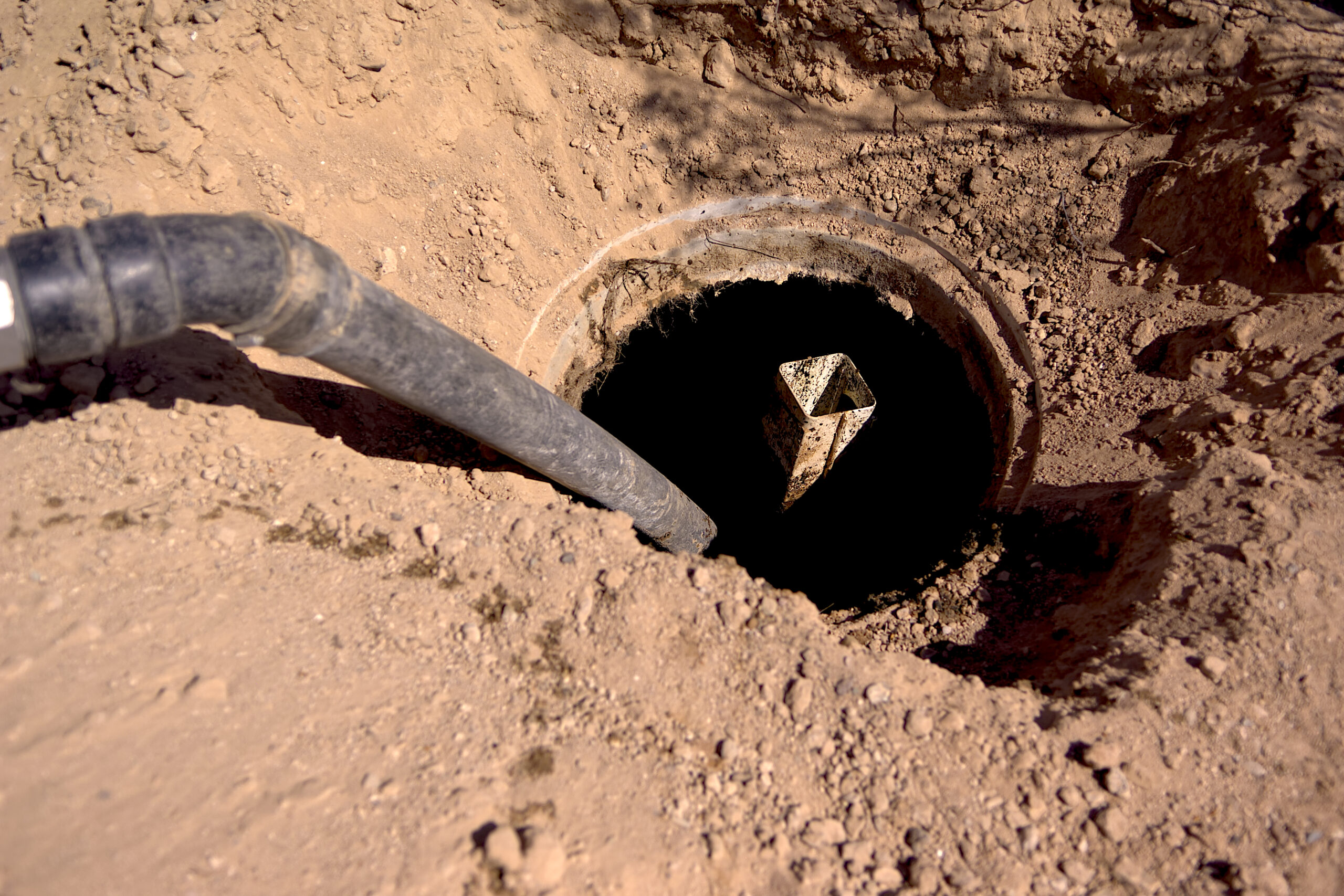
The cost of septic tank cleaning and pumping in Australia varies considerably based on several key factors:
Tank Size and Capacity: Larger septic tanks naturally cost more to empty. A standard residential tank (3,000-5,000 litres) typically costs between $300-$600 to pump out, while larger commercial systems can exceed $1,000.
Accessibility: If your septic tank is difficult to access—perhaps buried deep underground or located far from the property boundary—expect to pay premium rates. Easy access means lower labour costs and faster service.
Location: Regional and rural areas may face higher costs due to travel fees and limited service providers. Urban homeowners generally have more competitive pricing options.
System Type: Standard septic systems cost less to service than aerobic treatment units or advanced wastewater treatment systems, which require specialised maintenance.
Comprehensive Guide to Septic Tank Sludge and Cleaning
Your septic tank works by separating solid waste from liquid waste. Over time, sludge accumulates at the bottom while scum floats to the top. When sludge levels become too high, the system can’t function properly, leading to backups and system failure.
Professional septic tank cleaning involves pumping out all accumulated waste, including sludge and scum layers. This process ensures your system continues operating efficiently and prevents solids from entering your drainage field, which could cause expensive damage.
The pumping process typically takes 30-60 minutes and includes:
- Locating and accessing the tank
- Removing all waste materials
- Inspecting the tank for damage or wear
- Checking inlet and outlet baffles
- Providing a maintenance report
Effective Wastewater Disposal: Key Factors in Septic Systems
Proper wastewater disposal is crucial for system longevity. Your septic system is designed to handle household wastewater, but what goes down your drains significantly impacts how often you’ll need maintenance.
Avoid flushing non-biodegradable items, harsh chemicals, or excessive amounts of grease. These materials can disrupt the bacterial balance in your tank and accelerate sludge buildup, requiring more frequent septic pumping.
Water conservation also plays a vital role. Excessive water usage can overload your system, reducing its efficiency and potentially causing premature failure. Consider spreading laundry loads throughout the week rather than doing them all in one day.
Expert Tips on Choosing a Reliable Septic Tank Installer
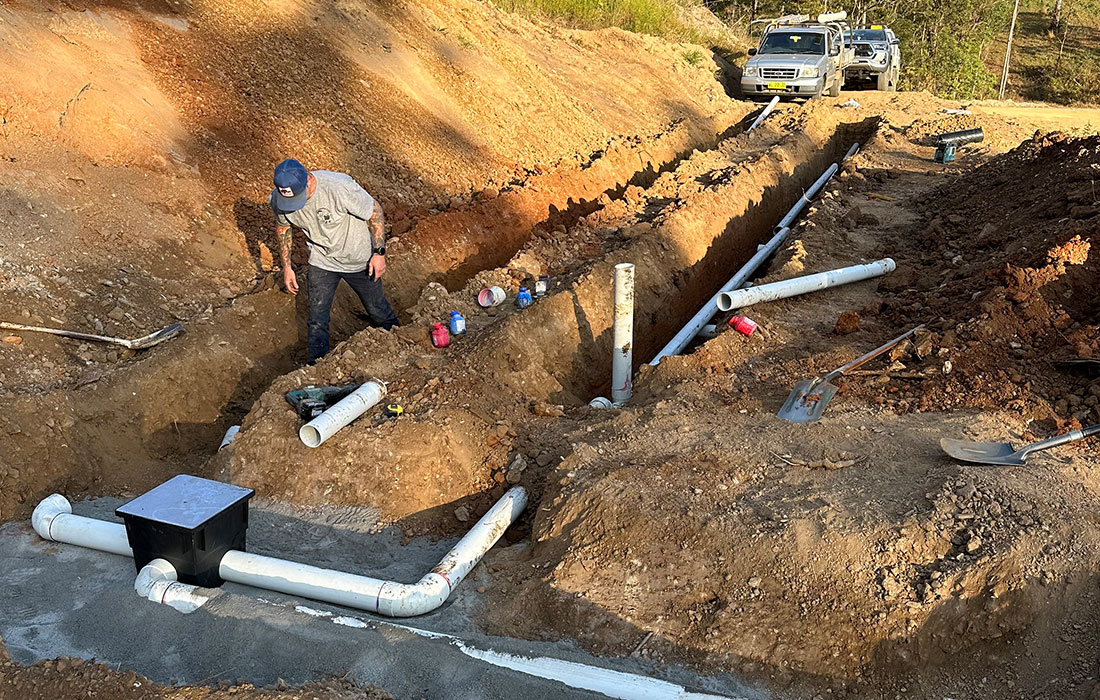
Whether you’re installing a new septic system or replacing an old one, choosing the right installer is critical. Look for licensed professionals with:
- Proper certifications and insurance
- Experience with your specific system type
- Positive customer reviews and references
- Transparent pricing without hidden fees
- Knowledge of local council regulations
A quality installer will conduct soil testing, obtain necessary permits, and ensure your system meets Australian standards. While installation costs vary significantly based on system type and site conditions, expect to invest $5,000-$15,000 for a standard residential septic system.
Cost Management Strategies for Septic Tank Installation and Maintenance
Managing septic tank costs doesn’t mean cutting corners—it means being strategic about maintenance and making informed decisions.
Schedule Regular Maintenance: Preventive maintenance is always cheaper than emergency repairs. Book your septic pumping during off-peak seasons when service providers may offer discounts.
Monitor Your System: Keep records of all maintenance, including pumping dates and inspection reports. This helps you track patterns and anticipate when service will be needed.
Address Issues Promptly: Strange odours, slow drains, or soggy areas near your drainage field are warning signs. Early intervention prevents minor issues from becoming major disasters.
Compare Quotes: Don’t automatically choose the cheapest option, but do get multiple quotes. Ask about what’s included in the cost and whether there are additional fees for disposal or difficult access.
Signs Your Septic Tank Needs Attention
Knowing when your septic tank needs pumping can prevent emergencies. Watch for these warning signs:
- Slow-draining sinks, toilets, or showers
- Gurgling sounds in plumbing
- Sewage odours near the tank or drain field
- Lush, overly green grass above the drain field
- Standing water or soggy soil near the system
- Sewage backup into your home
If you notice any of these symptoms, contact a septic system professional immediately. Waiting can lead to system failure and significantly higher costs.
Average Septic Tank Pumping Costs Across Australia
While prices vary by location and provider, here’s what Australian homeowners typically pay for septic tank services:
- Standard pump-out (residential): $300-$600
- Large tank pump-out: $600-$1,200
- Septic system inspection: $200-$400
- Emergency call-out: $500-$1,000+
- Tank repairs: $500-$3,000+
Regional areas may see costs 20-30% higher due to travel distances and limited competition.
Long-term Value of Proper Septic Maintenance
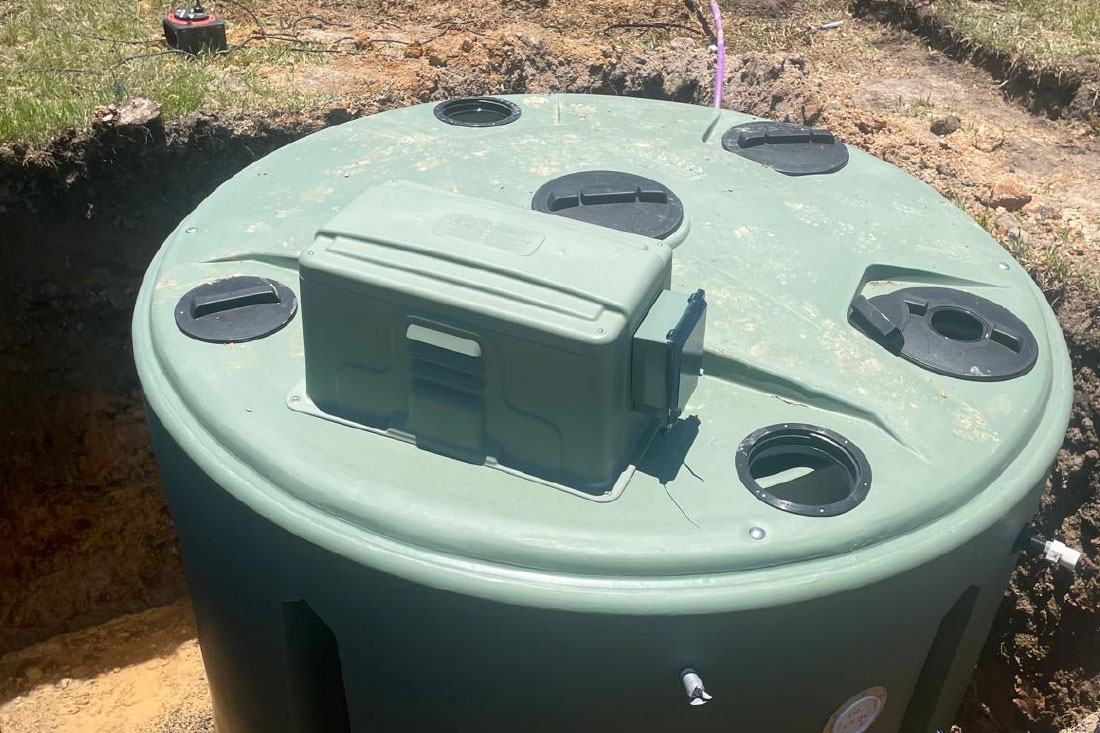
Investing in regular septic tank maintenance protects your property value and prevents environmental contamination. A failing septic system can create health hazards, pollute groundwater, and decrease your property’s market value.
The cost of routine pumping every few years is a small price to pay for the peace of mind that comes with a properly functioning waste disposal system. When you consider that septic system replacement can cost $15,000-$30,000 or more, regular maintenance becomes an obvious choice.
By understanding septic tank emptying costs and committing to a maintenance schedule, you’re making a smart investment in your home’s infrastructure. Don’t wait for warning signs—schedule your next septic pumping today and keep your system running smoothly for years to come.
Frequently Asked Questions
What are the average costs for septic tank emptying in Australia?
The average cost for septic tank emptying in Australia ranges from $300 to $600 for a standard residential system. However, this cost can vary significantly based on your location, tank size, and accessibility. Smaller tanks (under 3,000 litres) may cost as little as $250-$400, while larger commercial or hard-to-access tanks can exceed $1,000. Regional areas typically face higher costs due to travel fees, with prices sometimes 20-30% above metropolitan rates. Emergency call-outs or weekend services can add $200-$500 to the standard rate. Always request quotes from multiple licensed providers to ensure competitive pricing.
What factors affect the cost of septic tank maintenance?
Several key factors influence septic tank maintenance costs. Tank size is the primary consideration. Larger tanks require more time and effort to pump, increasing the cost. Accessibility plays a major role; tanks that are buried deep, located far from road access, or surrounded by landscaping cost more to service. Your geographic location affects pricing, with rural and regional areas typically charging more due to travel distances. The type of septic system matters too—aerobic treatment systems and advanced wastewater systems require specialised maintenance and cost more than standard septic tanks. Finally, the condition of your system impacts costs; neglected tanks with excessive sludge buildup or damage require additional work and disposal fees.
How often should a septic tank be emptied?
Most residential septic tanks should be emptied every 3-5 years, though this frequency varies based on several factors. Household size significantly impacts pumping frequency. A family of two may only need pumping every 5-6 years, while a household of six or more might require service every 2-3 years. Tank size also matters; smaller tanks fill faster and need more frequent maintenance. Your water usage habits play a role, too. Homes with high water consumption need more regular pumping. Garbage disposal use accelerates sludge accumulation, potentially requiring annual or bi-annual service. To determine your ideal schedule, consult with a septic system professional who can assess your specific situation and provide a customised maintenance plan.
What are the signs that a septic tank needs to be pumped out?
Several warning signs indicate your septic tank needs immediate pumping. Slow-draining fixtures throughout your home (particularly if multiple drains are affected simultaneously) suggest your tank is reaching capacity. Gurgling sounds from toilets, sinks, or drains when water is running indicate air displacement caused by a full tank. Unpleasant sewage odours around your property, especially near the tank or drain field, signal that waste isn’t being properly contained. Lush, overly green grass above the drain field or septic tank area indicates wastewater is surfacing and fertilising the lawn. Standing water or soggy, spongy ground near your septic system is a serious red flag. The most severe sign is sewage backing up into your home through toilets or drains. This requires immediate professional attention. If you notice any of these symptoms, contact a licensed septic service provider right away to prevent system failure and costly repairs.